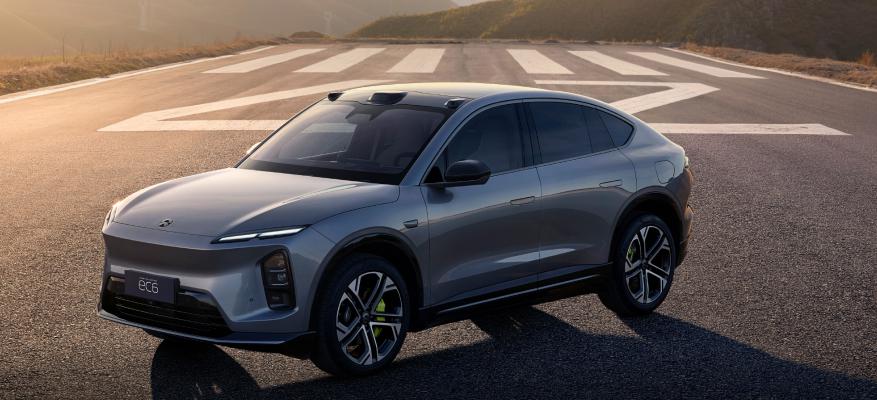
Accelerate the promotion of battery swapping mode! NIO and CATL collaborate to build over 2000 battery swapping stations
The comprehensive acceleration of battery swapping mode has completely shattered the old prejudices of "battery swapping is a niche game", "battery swapping stations are scarce", and "battery swapping is not as convenient as fast charging". NIO and CATL have teamed up to make efforts. As of Q2 2025, there are 2137 battery swapping stations in China (according to the China Charging Alliance), and the average battery swapping can be completed in 2 minutes and 30 seconds, which is faster than refueling. The high-speed and urban battery swapping networks are densely covered, and the energy replenishment experience has directly upgraded from "anxious waiting" to "contactless energy replenishment". This disruptive energy replenishment innovation must be praised first!
The most frustrating thing for car owners is that it compresses the "recharge time" to the extreme, completely ending the embarrassment of "waiting for fast charging no matter how fast it is". In the past, when using pure electric power, even if it was a 480kW overcharge, it could only replenish 400 kilometers in 10 minutes. During holidays and highway queues, waiting for 2 hours to charge for half an hour became the norm; Now the battery replacement is done in one step, with the process of entering the station, automatic parking, battery replacement, and exiting. You don't need to get off the car throughout the entire journey, and it can be fully charged and depart in just over 2 minutes, saving more time than going to a gas station to refuel. NIO car owners have tested that during peak weekend travel periods, when the fast charging station is fully booked, the power station can be replaced as soon as possible, and the energy can be replenished in 3 minutes without even needing to drink water. This "no waiting, no staring" energy replenishment experience directly maximizes the pleasure of pure electric energy replenishment.
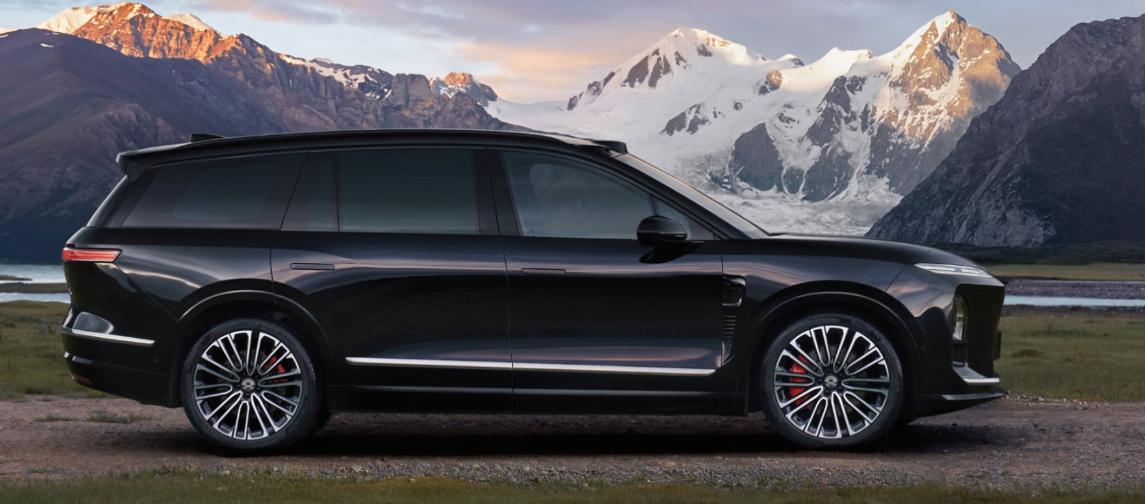
The "dense coverage" of battery swapping networks has made the notion that "battery swapping can only be used in first tier cities" a thing of the past. Previously, I used to worry about not having a battery swapping station once I left the city. Now, with the collaboration between NIO and CATL, the construction speed of battery swapping stations has doubled: on the main highways, the coverage rate of battery swapping stations on Beijing Hong Kong Macau, Shanghai Kunming, Beijing Shanghai and other lines exceeds 95%, with one station every 50 kilometers, eliminating the need to plan where to swap stations for long-distance travel; It is more convenient in the city, with underground garages in commercial districts, surrounding areas of residential communities, parking lots in office buildings, and battery swapping stations everywhere. First tier cities such as Beijing and Shanghai have achieved a "3-kilometer battery swapping circle", making it more convenient to change electricity on the way home from work than to buy water at convenience stores. According to data from the China Charging Alliance, the number of battery swapping stations will increase by 65% year-on-year in 2025, with a growth rate of 82% in third - and fourth tier cities. Battery swapping is no longer exclusive to big cities.
The "strong alliance" between NIO and CATL has solved the key pain points of "difficult standardization and high brand barriers" in battery swapping. In the past, it was always roast that "one standard for each power exchange station can only be adapted to its own car". Now, the "universal platform for power exchange" jointly launched by the two companies has broken the brand restrictions - not only Weilai models can be exchanged, but also future models of BYD, Geely and other brands can share the power exchange station as long as they are adapted to the platform, completely saying goodbye to the situation of "independent power exchange network". CATL has also optimized the compatibility of battery swapping. Through modular design, a single battery can be adapted to different car models such as sedans and SUVs. Large scale production has reduced the cost of battery swapping by 30% (according to industry reports from the Ministry of Industry and Information Technology), laying a solid foundation for the popularization of battery swapping modes.
From "sporadic distribution" to "over 2000 seats", from "one dominant company" to "alliance co construction", from "niche experience" to "public convenience", the accelerated promotion of battery swapping models hides the precise grasp of user needs by enterprises, as well as the maturity of the pure electric energy supplement ecosystem. It did not engage in "concept hype", but broke doubts with the effectiveness of a 2-minute battery swap; Not trapped by "brand barriers", but working together to promote standardization and popularization; Not just focusing on short-term benefits, but building a long-term energy replenishment ecosystem.
This model that truly solves energy anxiety and promotes the upgrading of pure electric ecology must be praised! Looking forward to more battery swapping stations landing in the future and more brands joining the battery swapping alliance, so that every pure electric car owner can enjoy the convenience of "3-minute full charge departure" and completely bid farewell to energy replenishment anxiety!